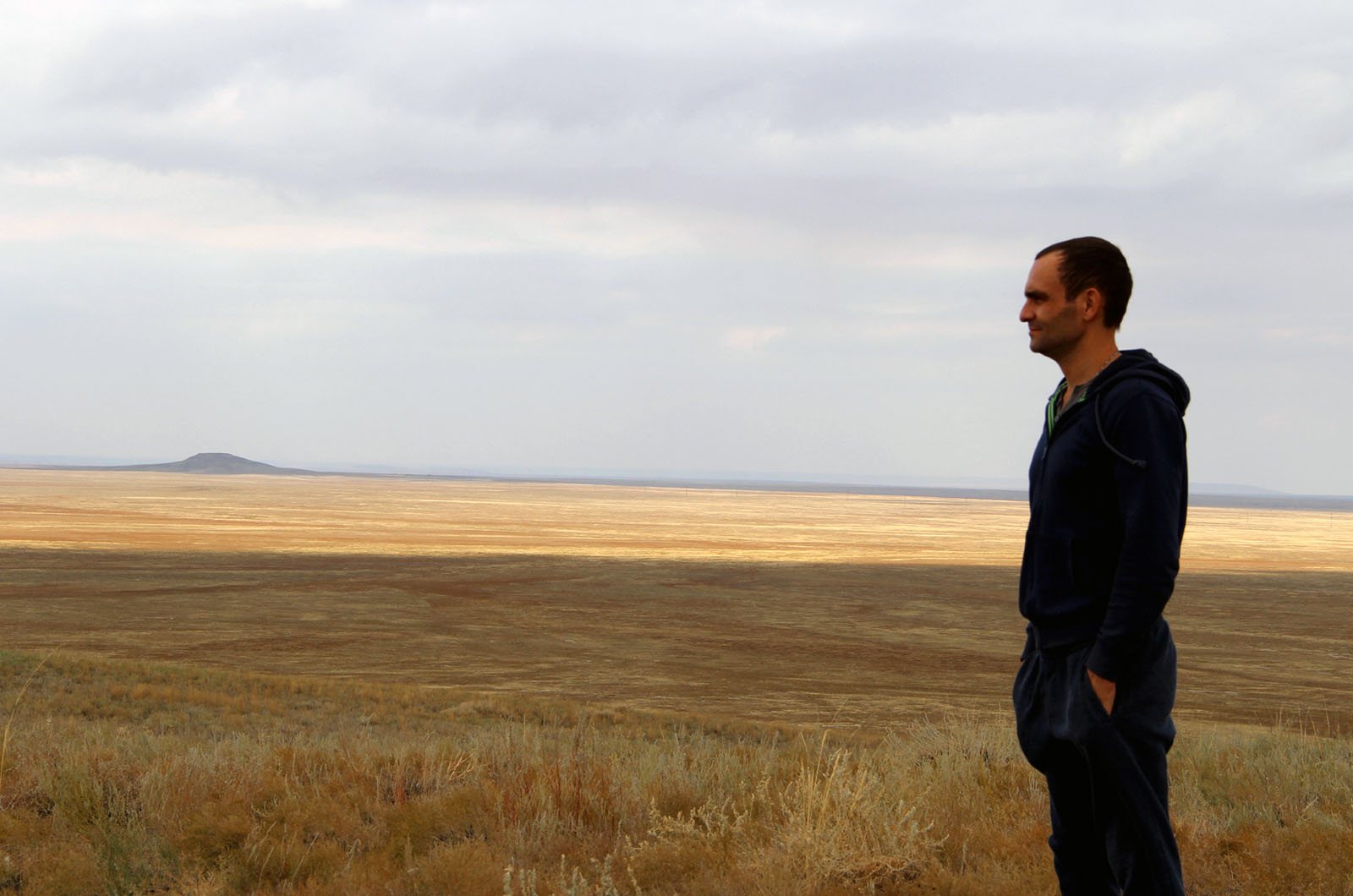
An expedition to the Zhamanshin meteorite crater took place in June 2013 in the Irgiz district of the Aktobe region, Republic of Kazakhstan. The purpose of the expedition was to search for impact melt rocks formed during the meteorite impact, as nothing of the meteorite itself was left after the impact. According to a local belief, “Zhamanshin” translates as “death trap”, or, as the locals told us, “the valley of death”. The crater was formed by the impact of a meteorite about three hundred metres in size. The crater diameter is 14 km and the depth is 300 metres; the crater is exposed at the surface.
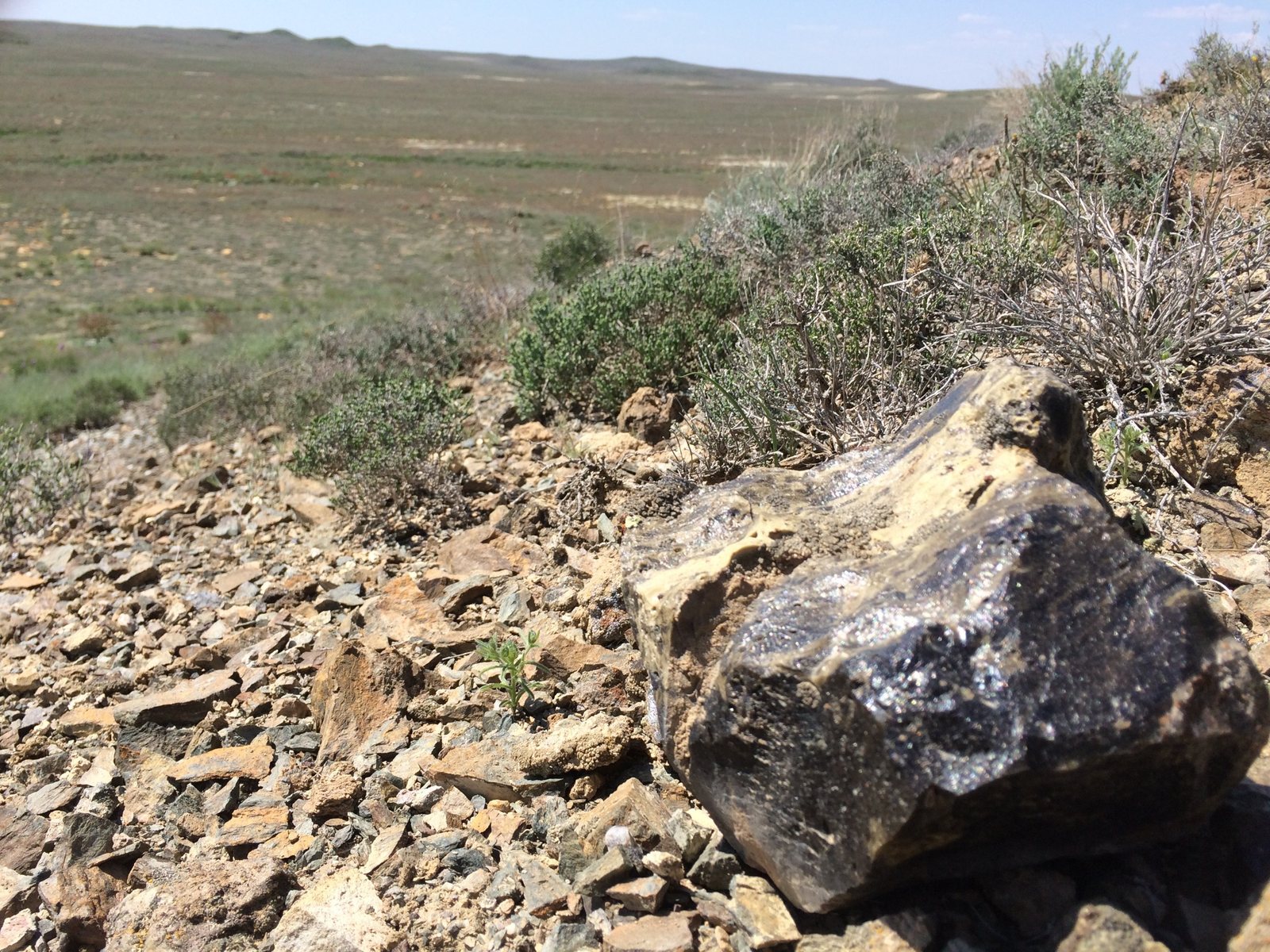
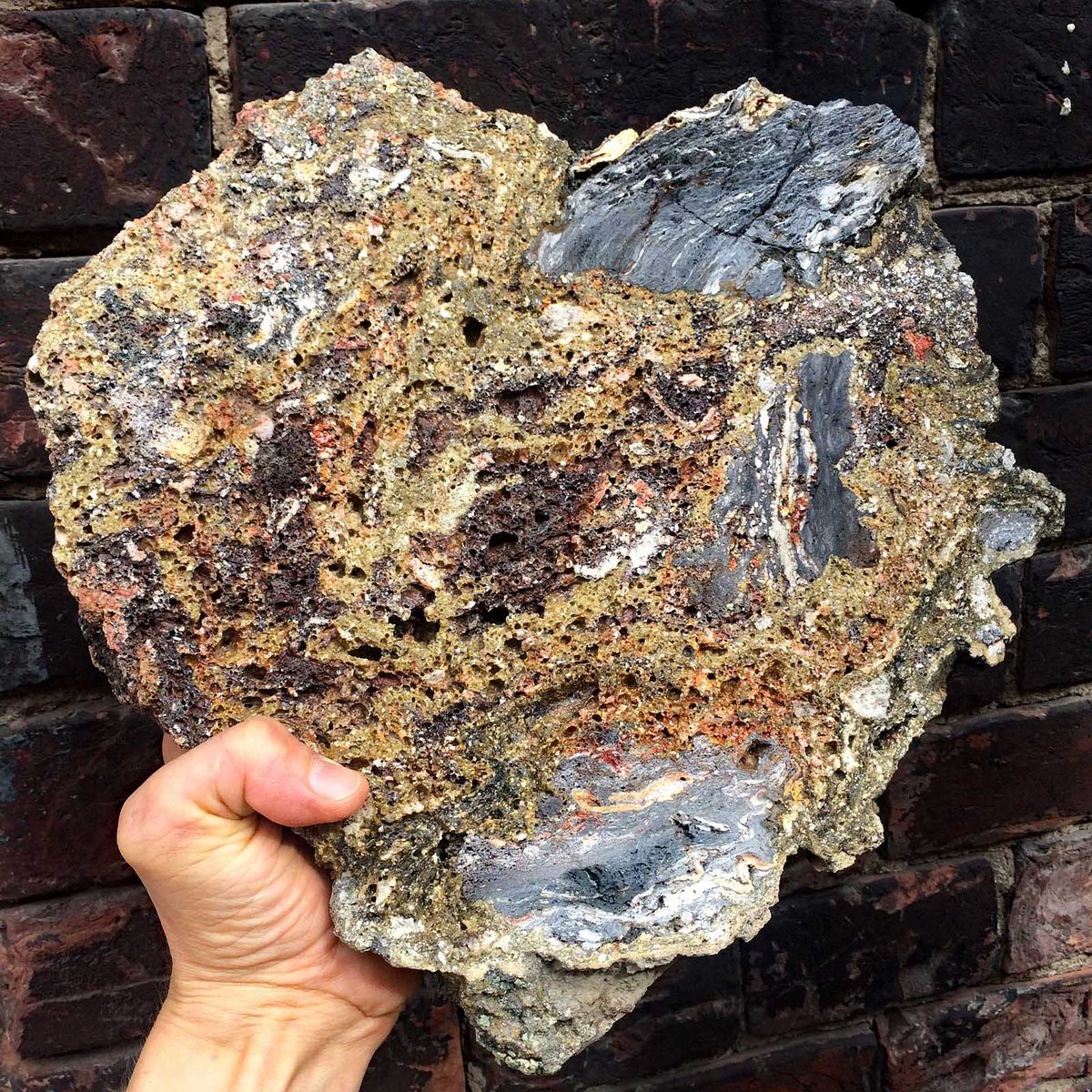
It is difficult to determine the age of the crater unequivocally; according to the Earth Impact Database, it is about 0.9 ± 0.1 million years. The impact structure itself was formed at a temperature of about 1,700 degrees Celsius. It looks like solidified layers of brown and light-brown volcanic lava. Of particular interest was finding bubbled quartz, or lechatelierite (SiO2). Lechatelierite is usually found at meteorite impact sites, in places of volcanic activity and in places with frequent thunderstorms. Tektites, airborne impact glass, can also be found near the crater. This puts Zhamanshin among the rare craters, as in most cases either tektites or impactites are found at an impact crater.
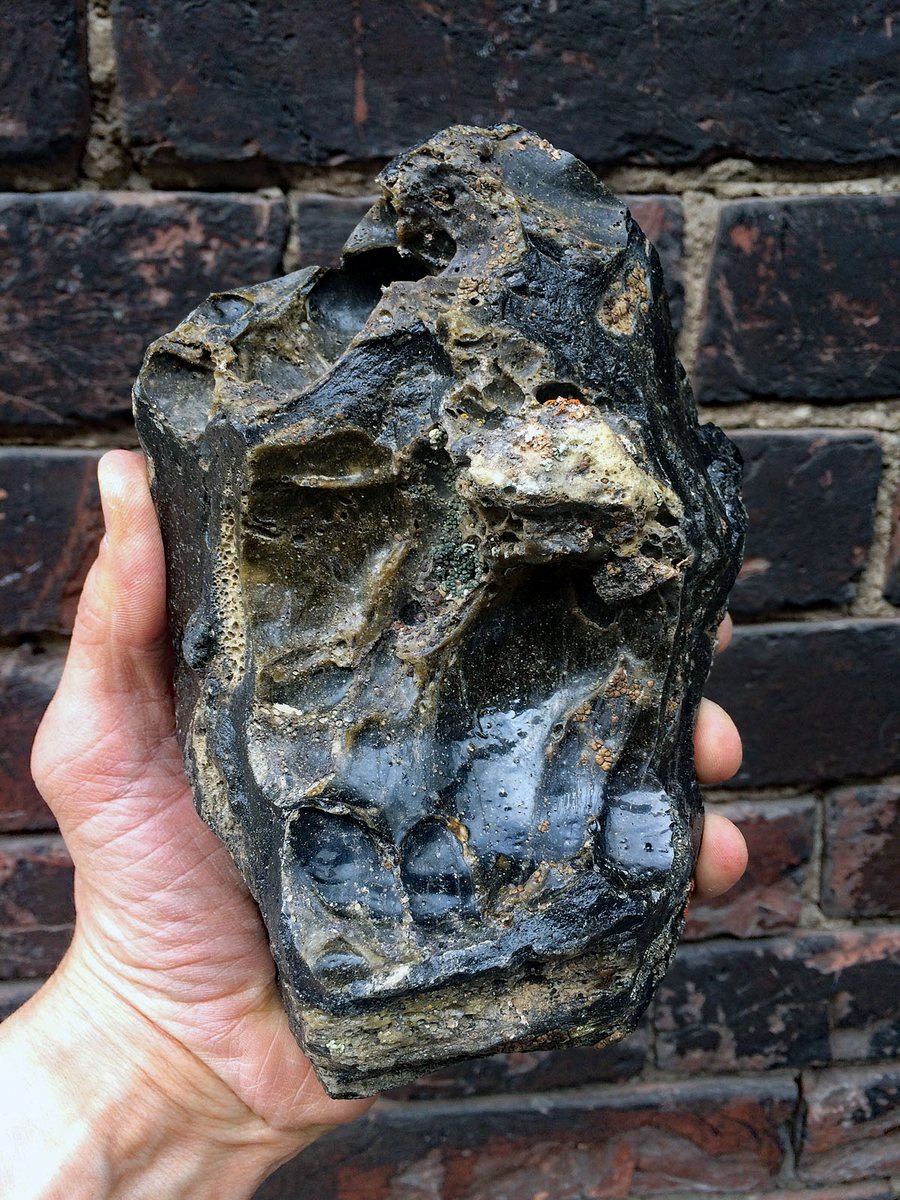
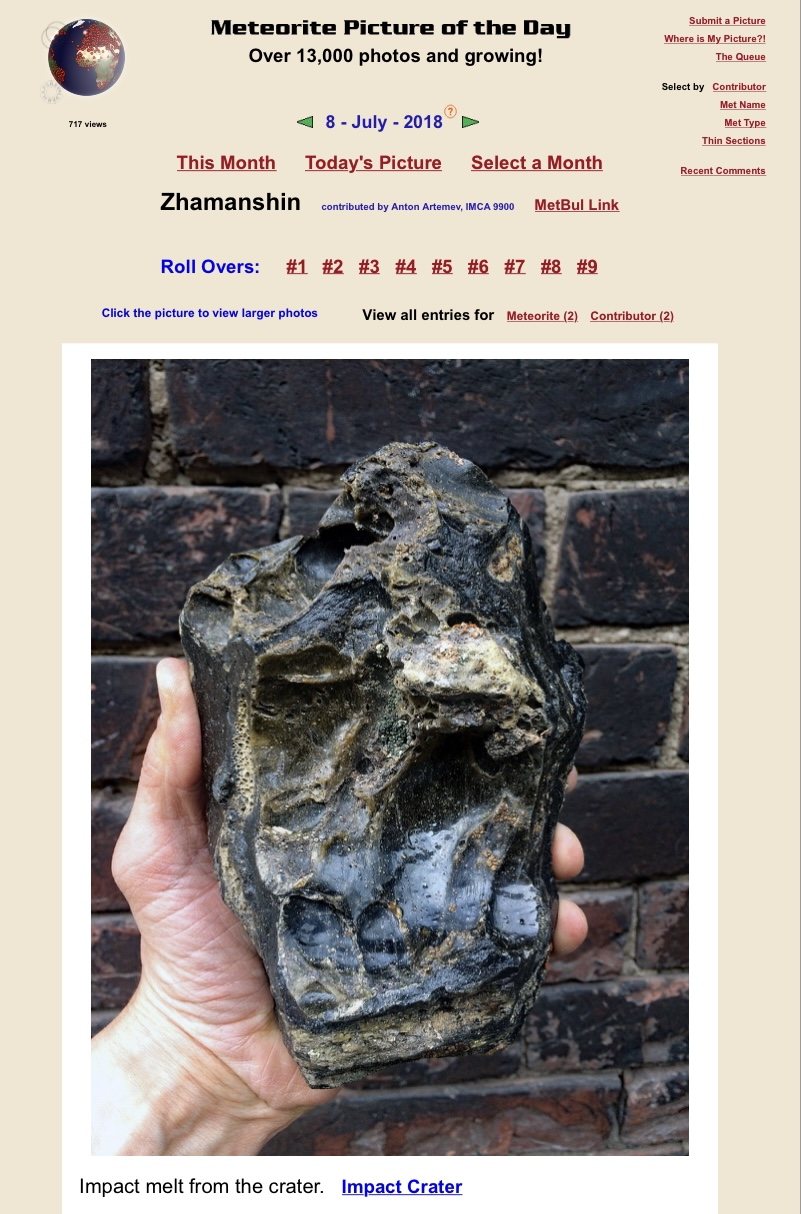
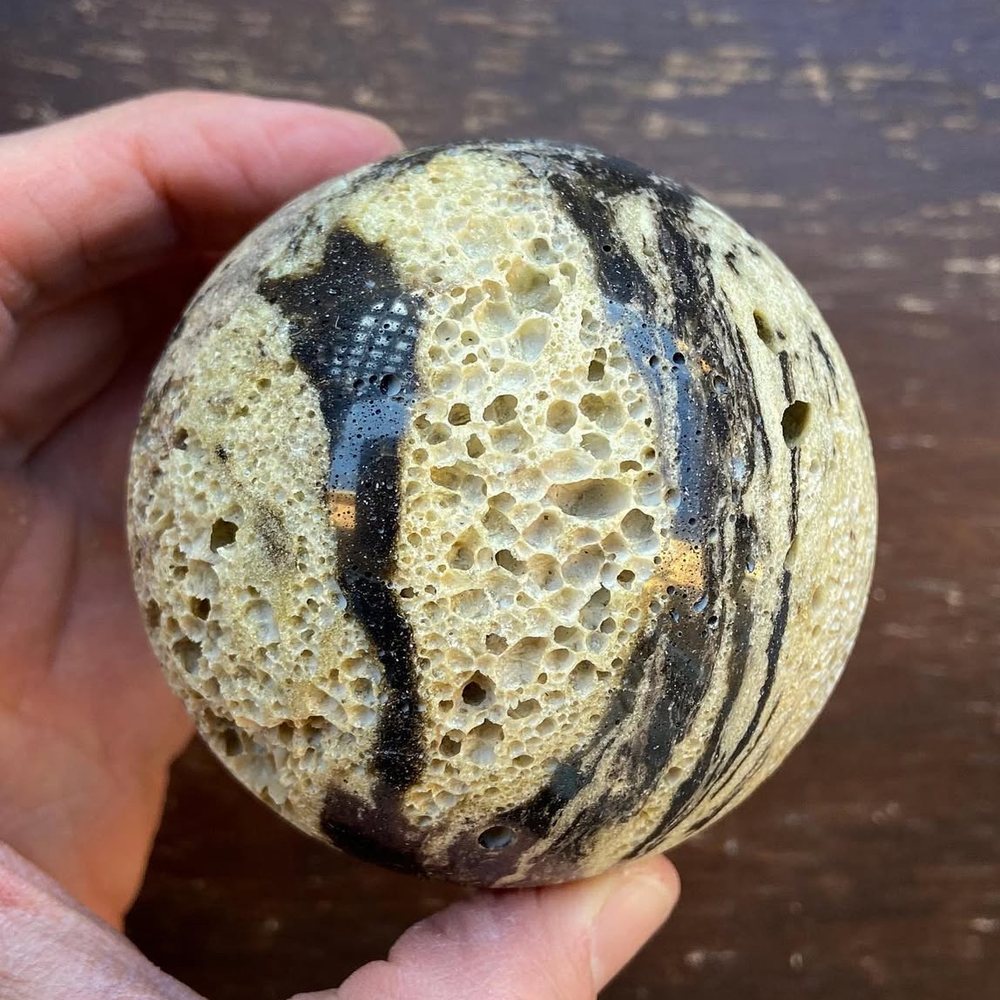
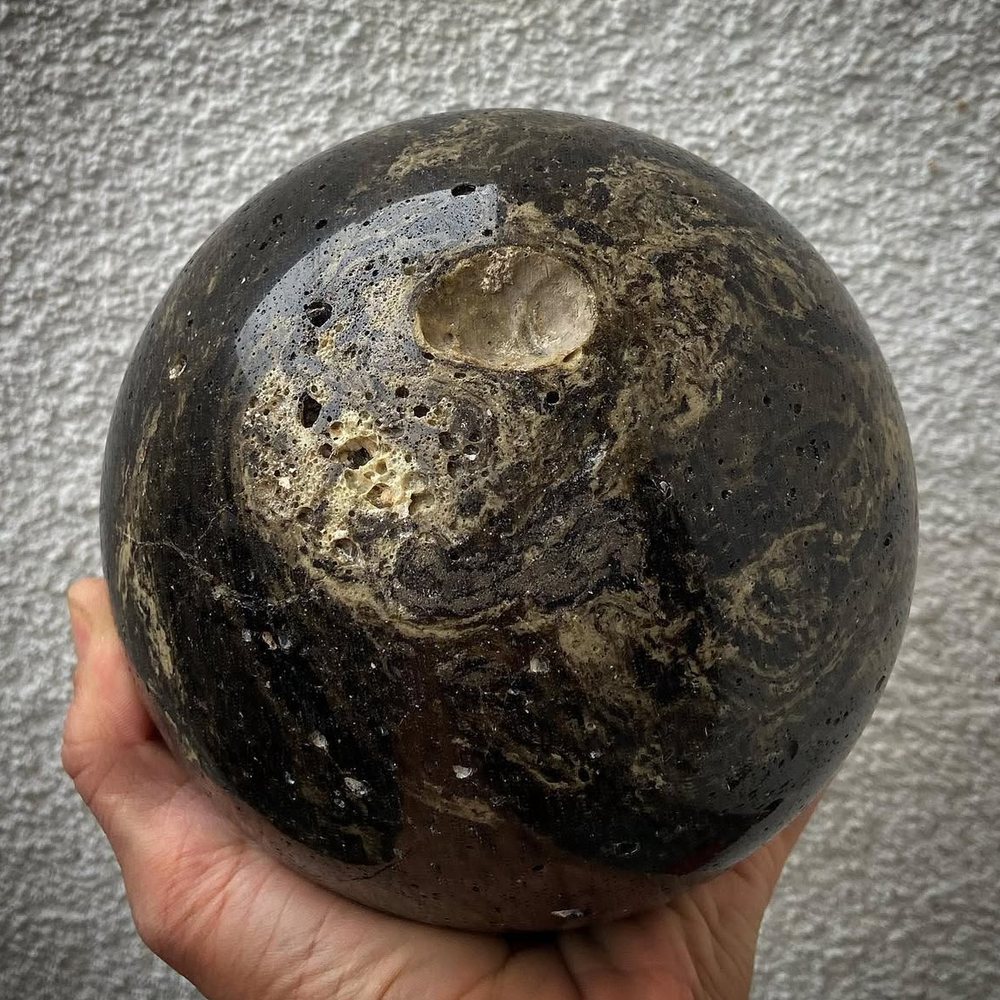
The most interesting part began when the material arrived at my workshop. Every cut through a stone revealed new patterns that told of events from hundreds of thousands of years ago, and each one was different: shimmering mixtures of black glass, yellow glass and foamed quartz. All of this inspired me to keep cutting. Once polished, the slabs looked like works of art or museum exhibits. Many of them were given as gifts to several museums around the world.
A little later, inspired by working with the material, I made spheres with the help of my friends — they looked like planets. In this way the expedition turned into research: with every new specimen, it seemed to go deeper into the history of the Earth. It was fascinating. The Zhamanshin crater gave me many new experiences and ideas for the future.
Coordinates of the Zhamanshin impact crater: 48°24′N 60°58′E.